
Teaching complex, abstract concepts through embodied learning: a drama-based approach
The aim of this research is to demonstrate the benefits of teaching complex, abstract concepts through a drama-based approach.

The aim of this research is to demonstrate the benefits of teaching complex, abstract concepts through a drama-based approach.
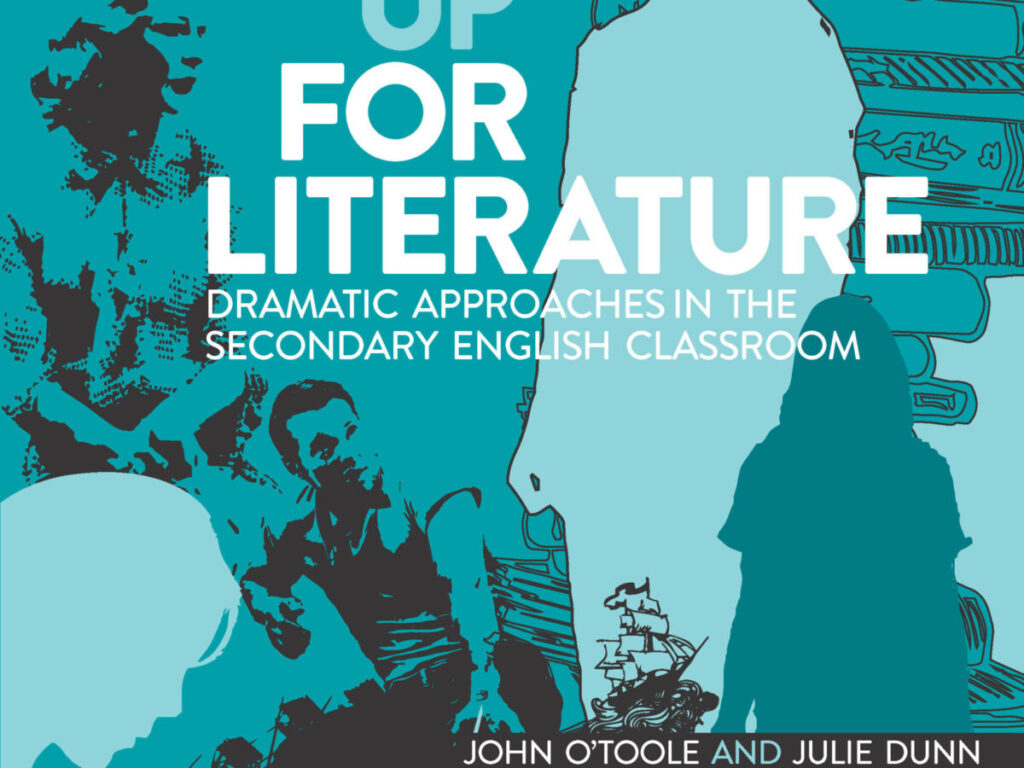
Stand Up For Literature: Dramatic Approaches in the Secondary English Classroom is a contemporary guide for teachers, offering interactive and embodied ways to bring literary and spoken texts to life.
Cognitive approaches to drama have enriched our understanding of Early Modern playtexts, acting and spectatorship. This monograph is the first full-length study of Shakespeare’s props and their cognitive impact.
This interdisciplinary, transhistorical collection brings together international scholars from English literature, Italian studies, performance history, and comparative literature to offer new perspectives on the vibrant engagements between Shakespeare and Italian theatre, literary culture, and politics, from the sixteenth to the twenty-first century.
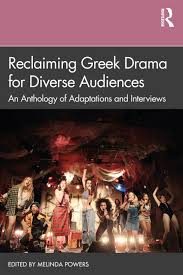
Reclaiming Greek Drama for Diverse Audiences features the work of Native-American, African-American, Asian-American, Latinx, and LGBTQ theatre artists who engage with social justice issues in seven adaptations of Sophocles’ Antigone, Euripides’ Trojan Women, Hippolytus, Bacchae, Alcestis, and Aristophanes’ Frogs, as well as a work inspired by the myth of the Fates.
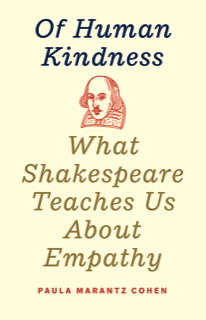
While discussing Shakespeare’s plays in her university classroom, Paula Marantz Cohen discovered that they unlocked a surprising sense of compassion in both herself and her students. In this short and illuminating book, she shows how Shakespeare’s genius lay in his ability to arouse empathy, even when his characters exist in alien contexts and behave in reprehensible ways.
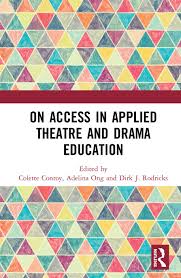
This book explores and interrogates access and diversity in applied theatre and drama education. Access is persistently framed as a strategy to share power and to extend equality, but in the context of current and recent power struggles, it is also seen as a discourse that reinforces marginalisation and exclusion.

Ellen Armstrong is a PhD researcher at Guildford School of Acting, University of Surrey, Guildford.
At the time of publishing the last issue of Drama Research in April 2020 (Volume 11.1) the national ‘lockdown’ during the coronavirus epidemic had just begun. Who would have thought that the writing of the editorial in this issue, one year later, would also take place in the context of the continuing ‘lockdown’? Yet it does.