Stepping into Eternity: the experience of time in the drama of Dorothy Heathcote
As human individuals we live our lives within several embedding systems in Time, so that we are always dealing with multiple temporal conceptions.

As human individuals we live our lives within several embedding systems in Time, so that we are always dealing with multiple temporal conceptions.

This communication identifies and discusses aesthetic and pedagogical issues of an experience with the third fragment of Brecht’s learning play “The Baden-Baden Lesson on Consent”.

Dorothy Heathcote understood teaching and learning to take place in a kind of ‘crucible’ in which participants, who are both teachers and learners, contribute to the mix and produce new understandings.

This article reports on a continuing professional development (CPD) programme that was rolled out into approximately 20 primary and secondary schools around Northamptonshire and beyond.

In this paper I draw on Heathcote’s notion of the authentic teacher as a framework to analyse a reflective practitioner research on process drama for second language teaching and learning.

Viv Aitken is Senior Lecturer in Education at the University of Waikato, Hamilton New Zealand, where she contributes to pre-service programmes for primary and secondary teachers and supervises postgraduate research.

Dorothy Heathcote’s work was centred on using drama to make learning meaningful and focused on things that ‘matter’.
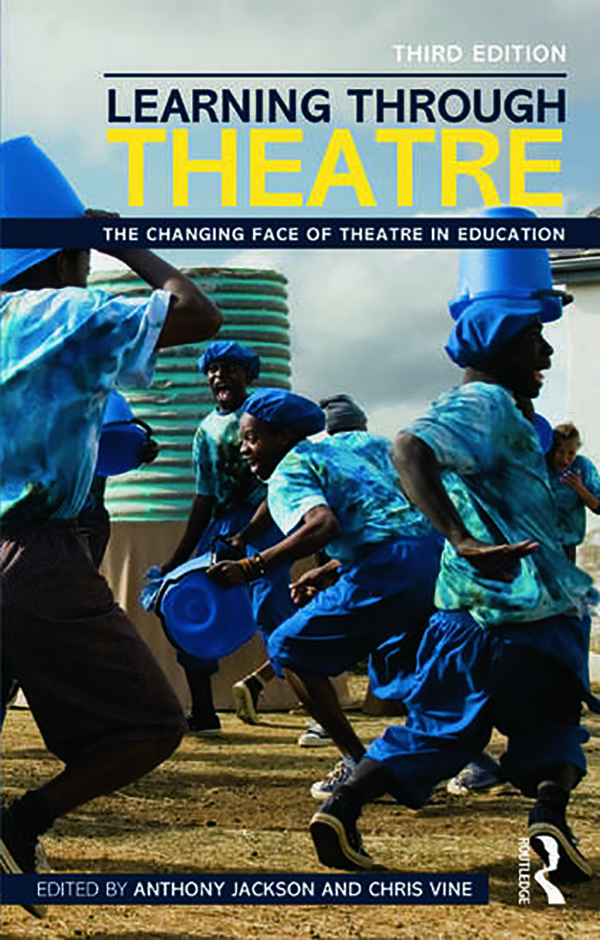
In the two decades since the publication of the second edition, Learning Through Theatre has further established itself as an indispensable resource for scholars, practitioners and educators interested in the complex interrelations between teaching and learning, the performing arts, and society at large. Theatre in Education (TIE) has consistently been at the cutting edge of the ever-growing field of Applied Theatre; this comprehensively revised new edition makes an international case for why, and how, it will continue to shape ways in which the participatory arts contribute to the learning of young people (and increasingly, adults) in the 21st century.
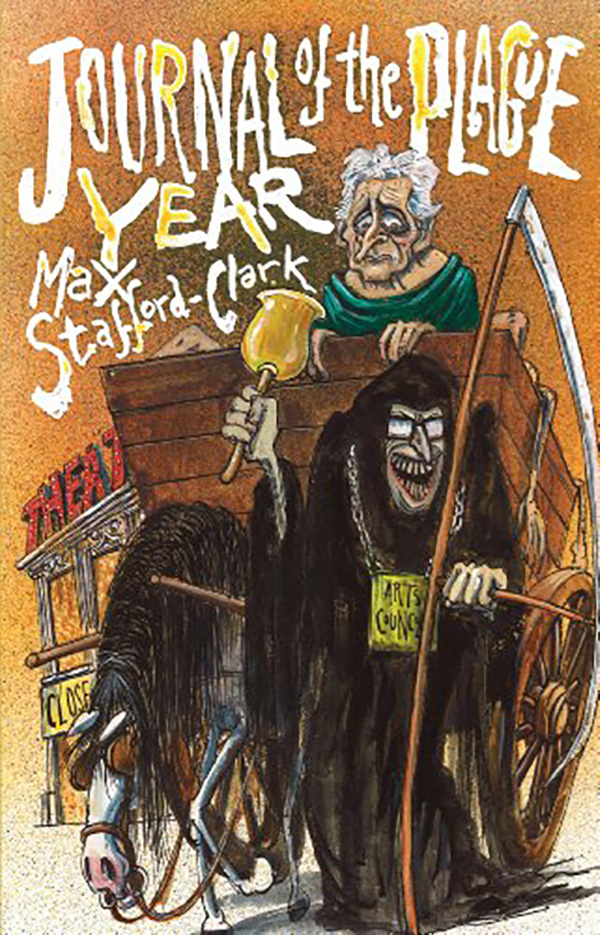
A truthful, personal and insightful exploration of the state of arts funding and carrying on in the face of adversity, by the renowned founder of Out of Joint.
One March morning, out of the blue, Max Stafford-Clark learned that the Arts Council had drastically cut their grant to his theatre company, Out of Joint, leaving it in danger of imminent collapse. Journal of the Plague Year is his account of what happened next, as he sets out to contest the cut, make the case for public funding of the arts, and continue producing the work for which he and his company are renowned.
Max’s journal often takes on an autobiographical flavour, including the unexpectedly moving story of his two fathers, his surreal encounter with the New York theatre world, and the shocking details of what it is to suffer a massively debilitating stroke.
By Max Stafford-Clark
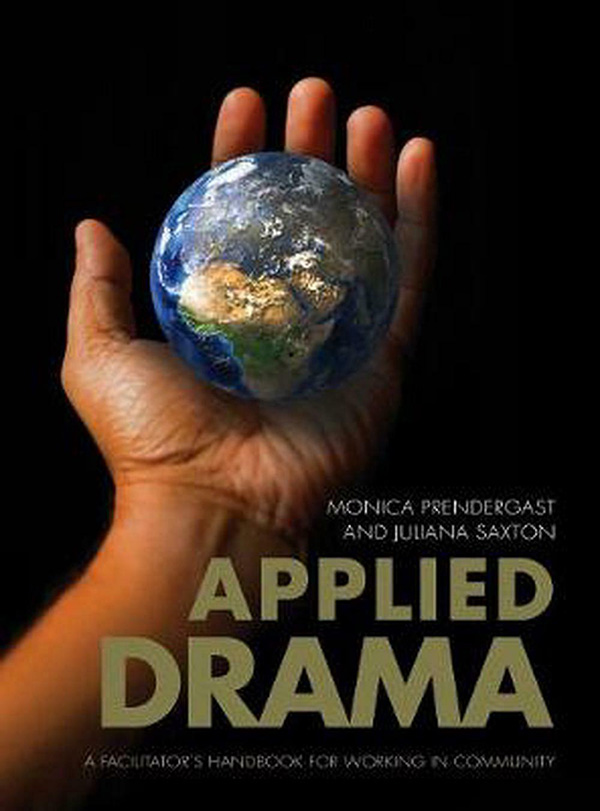
Applied Drama, a companion to Intellect’s Applied Theatre, fulfills the need for an introductory handbook for facilitators and teaching artists working with the dramatic process in diverse community settings. The authors distill the best practices to transfer into the settings within which these applied drama projects occur. Crafted for use in schools, classrooms, community groups, healthcare organizations, and all manner of social institutions, this book aids practitioners in developing and honing the skills needed to serve these communities.
By Monica Prendergast and Juliana Saxton